Electrical safety in the workplace is a critical aspect of maintaining a safe and productive environment. In the Midlands, where various industries rely heavily on electrical systems, understanding the risks and implementing safety measures is essential. This blog outlines key practices and regulations to ensure electrical safety and protect employees.
Understanding Electrical Hazards
Electrical hazards can arise from various sources, including faulty wiring, improper use of equipment, and inadequate training. Common risks include:
- Shock and Electrocution: Contact with live wires or faulty equipment can lead to severe injuries or fatalities.
- Electrical Fires: Overloaded circuits and damaged insulation can cause fires, posing a significant threat to safety.
- Equipment Damage: Electrical faults can damage machinery and tools, leading to costly repairs and downtime.
Legal Regulations and Standards
In the UK, various regulations govern electrical safety in the workplace. These include:
- Health and Safety at Work Act 1974: Employers must ensure the health and safety of employees, including electrical safety.
- Electricity at Work Regulations 1989: This regulation outlines the responsibilities of employers to prevent risks from electricity.
- IET Wiring Regulations (BS 7671): These standards provide guidelines for electrical installations to ensure safety.
Best Practices for Electrical Safety
To safeguard your workplace, consider implementing the following best practices:
- Regular Inspections and Maintenance: Conduct routine inspections of electrical systems and equipment to identify and rectify any issues before they escalate.
- Employee Training: Provide comprehensive training for employees on electrical safety practices, including recognizing hazards and safe operating procedures.
- Use of Personal Protective Equipment (PPE): Ensure that employees use appropriate PPE, such as insulated gloves and safety footwear, when working with electrical systems.
- Implement Lockout/Tagout Procedures: Establish procedures to ensure that equipment is properly shut off and not started up again until maintenance or repair work is completed.
- Install Residual Current Devices (RCDs): RCDs can help prevent electric shocks by cutting off the electricity supply if a fault is detected.
- Maintain Clear Signage: Use clear signs to indicate electrical hazards and safety procedures within the workplace.
Emergency Preparedness
Having an emergency response plan in place is crucial. Ensure that employees are aware of the procedures to follow in case of an electrical incident, including:
- Reporting the incident immediately.
- Knowing how to use fire extinguishers and when to evacuate.
- Providing first aid training to staff, particularly on responding to electrical shock.
Conclusion
Electrical safety is a paramount concern for all businesses in the Midlands. By understanding the risks, adhering to regulations, and implementing best practices, employers can create a safer working environment for their employees. Regular training and vigilance will go a long way in preventing electrical accidents and ensuring workplace safety.
For tailored electrical testing services and further guidance on workplace safety, contact us at Electrical Test Midlands. We’re here to help you maintain the highest safety standards in your organization.
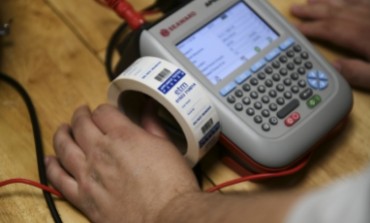
PAT Testing Offer
We are committed to ensuring the safety and compliance of your electrical equipment through our professional Portable Appliance Testing (PAT) services.
As a token of our appreciation for choosing us, we’re excited to offer you an exclusive 10% discount on all PAT testing services!
FIND OUT MORE